
Timber Fence Materials: Building Eco-Friendly Boundaries
When it comes to fencing, I always look for options that are both practical and kind to the environment. Timber fences fit the bill perfectly. They offer a natural look, are durable, and can be sourced sustainably. If you want to create boundaries that blend well with your surroundings and reduce your carbon footprint, timber fencing is a great choice.
Understanding Timber Fence Materials
Choosing the right timber fence materials is key to building a fence that lasts and looks good. There are several types of wood commonly used for fencing, each with its own benefits.
Cedar: Naturally resistant to rot and insects, cedar is lightweight and has a pleasant aroma. It ages to a beautiful silver-grey if left untreated.
Pine: Often pressure-treated to resist decay, pine is affordable and widely available. It takes paint and stain well.
Larch: A dense, durable wood that withstands harsh weather. It has a warm reddish tone and is often used in coastal areas.
Oak: Strong and long-lasting, oak is a premium choice but can be more expensive.
When selecting timber, look for sustainably sourced options. Certifications like FSC (Forest Stewardship Council) ensure the wood comes from responsibly managed forests. This helps protect the environment while giving you quality materials.

Why Choose Eco-Friendly Timber Fencing?
Eco-friendly timber fencing offers several advantages beyond just aesthetics. Here’s why I recommend it:
Renewable Resource: Timber is a natural, renewable material. When sourced responsibly, it has a much lower environmental impact than metal or plastic fencing.
Carbon Storage: Wood stores carbon dioxide, helping reduce greenhouse gases in the atmosphere.
Biodegradable: At the end of its life, timber breaks down naturally without leaving harmful residues.
Energy Efficient Production: Producing timber fencing uses less energy compared to manufacturing metal or vinyl fences.
Using timber fencing supplies from trusted suppliers ensures you get quality wood that supports sustainability goals. For example, S. W. Marchant Fencing Ltd. offers a range of timber fence materials that meet high environmental standards.
How to Choose the Right Timber Fence Materials for Your Project
Picking the right timber for your fence depends on several factors. Here’s how I decide what works best:
Purpose of the Fence
Are you looking for privacy, decoration, or security? For privacy, solid panels made from cedar or larch work well. For decorative fences, pick lighter woods like pine that can be painted.
Climate and Location
Coastal areas need timber that resists salt and moisture. Larch and treated pine are good choices here. Inland areas with less moisture can use untreated cedar.
Maintenance Level
Some woods need regular staining or sealing to last. Cedar requires less maintenance, while pine benefits from protective coatings.
Budget
Pine is budget-friendly but may need more upkeep. Oak is durable but costly. Balance your budget with how long you want the fence to last.
Style and Appearance
Timber comes in different colours and grains. Choose a wood that complements your home and garden style.
Installing Your Timber Fence: Tips and Best Practices
Installing a timber fence is a straightforward process if you plan carefully. Here are some tips I follow:
Measure Accurately: Mark your fence line clearly and measure the total length. This helps you order the right amount of timber fencing supplies.
Prepare the Ground: Clear the area of debris and level the ground where posts will go.
Use Quality Posts: Strong posts are essential for stability. Use treated timber or metal posts for durability.
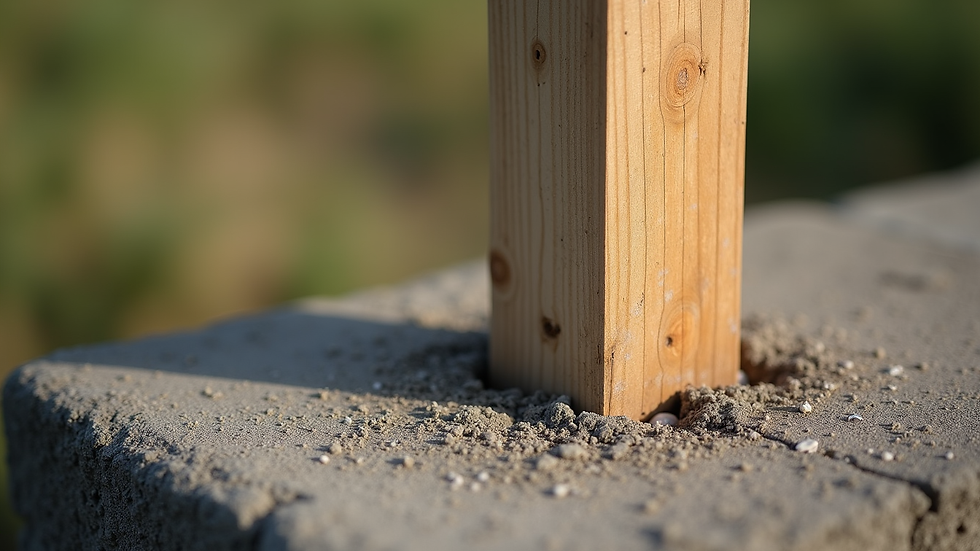
Set Posts Deep: Dig holes at least 60cm deep and fill with concrete for firm support.
Attach Panels Securely: Use galvanized nails or screws to prevent rust.
Allow for Expansion: Wood expands and contracts with weather. Leave small gaps between panels to avoid warping.
Apply Protective Coating: Seal or stain your fence to protect it from moisture and UV damage.
If you’re not confident with DIY, hiring professionals like S. W. Marchant Fencing Ltd. ensures expert installation and long-lasting results.
Maintaining Your Timber Fence for Longevity
A timber fence can last decades with proper care. Here’s how I keep mine in top shape:
Regular Cleaning: Wash the fence with water and mild detergent to remove dirt and mildew.
Inspect Annually: Check for signs of rot, insect damage, or loose nails.
Reapply Sealant: Every 2-3 years, apply a wood preservative or stain to protect against weather.
Trim Vegetation: Keep plants and grass away from the fence base to prevent moisture buildup.
Repair Promptly: Fix any damaged boards or posts quickly to avoid bigger problems.
Good maintenance saves money and keeps your fence looking fresh.
Why I Recommend S. W. Marchant Fencing Ltd. for Timber Fencing Supplies
When sourcing timber fencing supplies, I trust companies that combine quality with sustainability. S. W. Marchant Fencing Ltd. stands out on the South Coast for several reasons:
They offer a wide range of timber fence materials suitable for different needs.
Their timber is responsibly sourced and meets environmental standards.
They provide expert advice on choosing the right materials.
Their installation services are reliable and professional.
They have a strong reputation for quality and customer satisfaction.
If you want to build eco-friendly boundaries that last, consider working with them. You can find more about their timber fencing supplies here.
Creating Boundaries That Respect Nature
Building a timber fence is more than just marking your property. It’s about creating a boundary that respects the environment and enhances your space. By choosing the right timber fence materials and maintaining them well, you get a fence that looks great and supports sustainability.
Whether you’re a homeowner, business, or contractor on the South Coast, timber fencing offers a smart, eco-friendly solution. With the right supplies and care, your fence will stand strong for years to come.


Comments